The Ritual of Relaxation: A Luxury Traveller’s Guide to Japan’s Onsen Culture

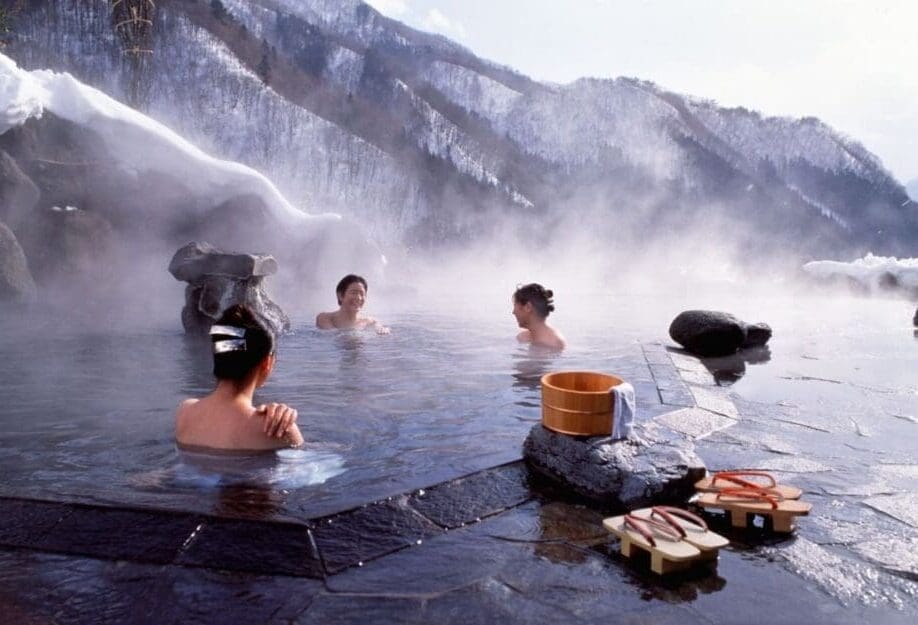
Soaking in a Japanese onsen is one of the most peaceful, restorative experiences you can have, and it lends itself beautifully to a slower, more luxurious style of travel. For many of our guests, an evening in the baths becomes just as memorable as a round of golf or a fine dinner.
What is an Onsen?
An onsen is a natural hot spring bath, fed by geothermally heated, mineral‑rich water. Unlike a regular hot tub or hotel bath, the water comes from an underground spring and must meet certain standards for temperature and mineral content to be officially called an onsen.
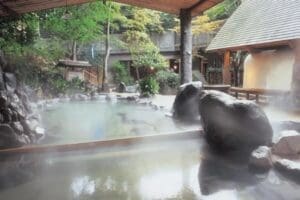
You’ll find onsens attached to elegant ryokan (traditional inns), in beautifully designed day spas, and in scenic regions where the landscape, architecture and bathing culture all come together to create a sense of calm.
Onsen vs bath house (sento)
It’s helpful to understand the difference between an onsen and a typical Japanese bath house.
- Onsen: Uses natural hot spring water, often with visible minerals, a gentle scent and specific health benefits for skin, circulation or tired muscles.
- Sento (public bath house): Uses heated tap water rather than spring water; more of an everyday neighbourhood bathing spot for locals.
- “Super sento” or spa complexes: Larger, modern facilities with multiple pools, saunas and relaxation areas.
The etiquette is similar in all of them, but an onsen experience feels more special and place‑specific, ideal if you enjoy thoughtful, quietly luxurious travel.
Different types of onsen experiences
You can enjoy onsen in a few different ways:
- Ryokan onsen: Staying in a traditional inn with its own baths is a beautiful way to experience Japanese hospitality. Often includes dinner and breakfast in your stay.
- Day‑use onsen: Many facilities welcome day visitors; you pay a small entry fee and can soak for an hour or two.
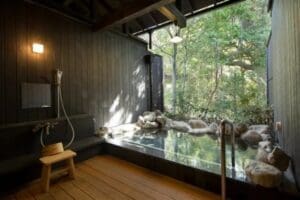
- Private onsen (kashikiri): Some ryokan offer private baths you can reserve by the hour, perfect for couples, families, or anyone nervous about the public baths.
Onsen/Sento etiquette: a step‑by‑step guide
Japanese bathing customs are very clear and gracious, designed so that everyone can relax in a serene, hygienic environment.
- Most onsen are gender‑separated. Look for:
- 男 (otoko) / blue curtain for men
- 女 (onna) / red or pink curtain for women
- Undress completely
- Onsens are traditionally nude; swimsuits are not worn.
- You’ll be given or can rent a big towel and a small hand towel.
- Leave your clothes and large towel in the locker area; only take the small towel into the bathing area.
- It can feel unfamiliar at first, but the atmosphere is remarkably unselfconscious.
- Wash thoroughly before soaking
- This is the most important rule: you must wash and rinse completely before entering the bath.
- Sit on the little stool at a shower station.
- Use soap and shampoo to wash your whole body and hair.
- Rinse off all soap and bubbles carefully.
- When you step into the onsen water, you should already be very clean.
- Enter the bath quietly and slowly
- Ease yourself in rather than jumping or splashing.
- The water is usually very hot, so take your time.
- Keep your small towel out of the water (many locals place it folded on their head) and try to keep long hair tied up so it doesn’t trail into the bath.
- Respect the calm and no mobile phones
- Onsens are tranquil spaces. Voices are kept low, splashing is avoided, and running is discouraged.
- Mobile phones and cameras are strictly forbidden in the bathing areas, both for privacy and to preserve the peaceful, screen‑free atmosphere.
- This is very much a place to disconnect, not to document.
- Finishing your soak
- When you’re finished, step out slowly; you may feel a bit light headed from the heat.
- Use your small towel to pat away the worst of the water before you go back into the locker area, so you don’t drip everywhere.
- Many people don’t rinse off after soaking, to keep the minerals on their skin, but if you prefer, a quick rinse is acceptable
Common concerns (and why not to worry)
For many of our guests, especially first‑timers, the idea of nude communal bathing can feel daunting. It may help to know:
- Nudity: It can feel intimidating at first, but everyone is focused on relaxing, not looking at other people. After a few minutes, it usually feels surprisingly normal.
- Tattoos: Some onsen still restrict visible tattoos, as they’re historically associated with gangs. Increasingly, though, places are more flexible, especially tourist friendly ones. Some offer private baths if tattoos are an issue.
- Body shape or age: Onsens are very non-judgmental spaces; you’ll see people of all ages and sizes. The atmosphere is more about comfort than appearance.
- If you prefer more privacy, many upscale ryokan offer private onsen baths you can reserve by the hour or enjoy attached to your own room.
Mineral content and water type can vary a lot from place to place, so you might find:
- Milky white water
- Clear but very hot water
- Slightly sulphuric‑smelling springs
- Iron‑rich water with a reddish tint
Each is said to have different benefits for skin, circulation or muscle relaxation.
Customs to keep in mind
A few extra cultural points help you blend in:
- Cleanliness is everything: The bath is for soaking, not for washing. Always wash first.
- Respect the quiet: Many Japanese people see onsen time as almost meditative. Keeping noise low is part of the culture.
- Follow signs and local rules: Each onsen might have small variations, for example, where to put towels, which baths to use first, or how long to stay.
Why you’ll love Onsen/Sento
For the traveller who appreciates comfort, wellness and cultural depth, onsens are a natural fit.
- They are wonderful for soothing muscles and joints after a day of walking, touring, or golf.
- The pace is unhurried: you move from your room to the baths, perhaps to a relaxation lounge all without rushing.
- The service at quality onsen ryokan is attentive but discreet, with staff gently guiding you through customs so you always feel at ease.
Many guests find that an evening soak becomes a cherished ritual: slipping into a quiet, steamy outdoor pool under the night sky, listening to the wind in the trees or the sound of a nearby river, feeling the heat work its way into tired limbs. It’s restorative in a way that feels both deeply physical and quietly emotional.
Why it’s worth trying
Even if you’re unsure at first, the onsen experience can become one of the most memorable parts of a Japan trip. The combination of hot mineral water, stillness, and beautiful surroundings is deeply calming, perfect after a day of sightseeing or, for golfers, after a long day on the course.
For many travellers, trying an onsen for the first time becomes a highlight of their time in Japan, a moment where luxury, culture and genuine relaxation meet.